
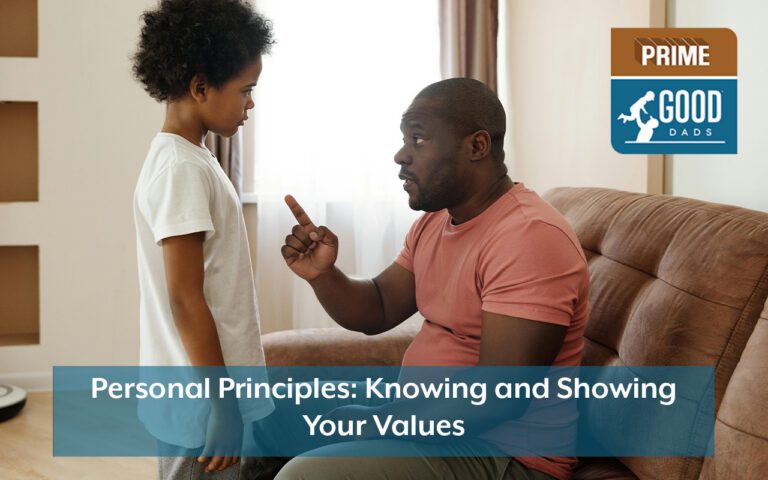
Navigating the open road has come a long way over the years. Paper maps and compasses paved the way for sophisticated GPS systems. Tools for getting from Point A to Point B may have changed, but the goal remains the same. The same can be said for our guiding principles. These values may evolve over time when priorities change, but with the same goal: to act as a guide on how to live your life.
What are some of your personal principles? Who taught them to you, and how can you pass them down to future generations?
This week, Good Dads talked with Prime driver of 14 years and uncle Chris Showman on his personal principles and how to be a good role model to the kiddos in your life. His perspective as an uncle and positive figure to his nieces and nephews is one you won’t want to miss!
Reflect on your own personal role models
Think back to when you were a little kid. Who taught you right from wrong? For Chris, his parents taught him values such as generosity, helping others and other important life skills. He emphasized the importance his grandfather played in his life.
“My grandpa taught me hard work, getting my hands dirty, all that stuff,” he said, referring to him as a strong role model in his life.
Reflecting on the past is a great way to analyze your personal principles. Whether the influence was positive or negative, we all had people we looked up to as kids. Some people didn’t grow up with positive role models, but that doesn’t mean you can’t break the cycle and pass down positive values of your own.
As a dad, we encourage you to think deeply about the legacy you leave on your children. How will your kids remember you as they grow up, and possibly become parents themselves?
Reflect on the principles of others
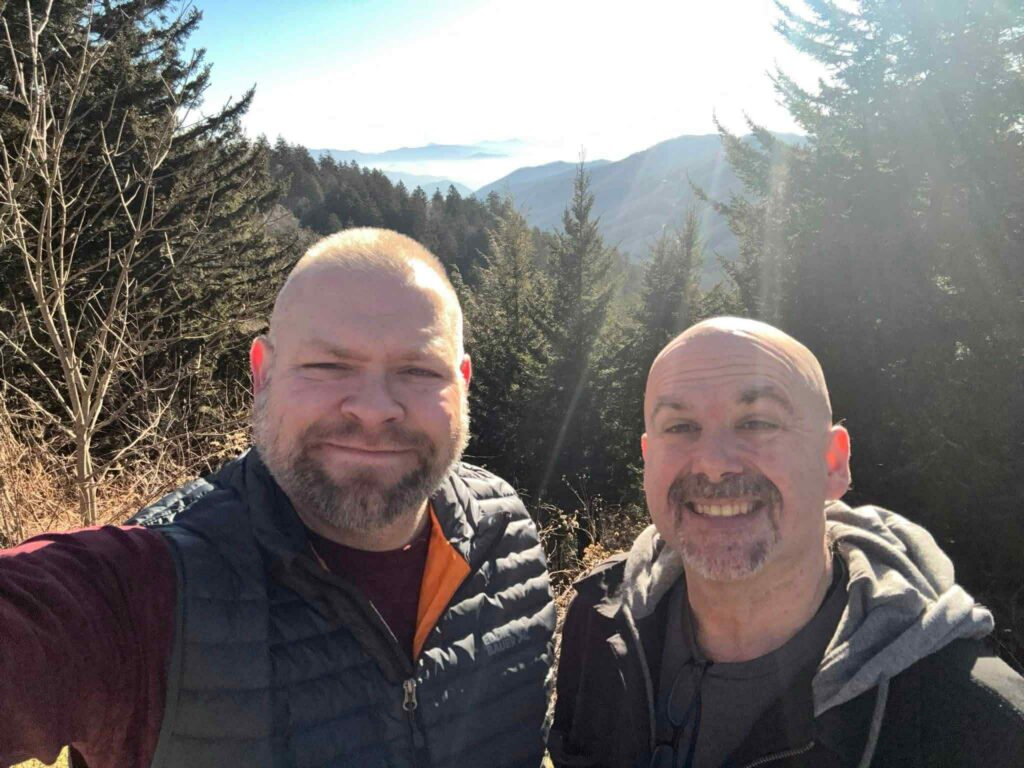
Look to fellow drivers and fathers for inspiration. What values are they passing on to their children and the people around them?
“Other Prime drivers are willing to help and willing to teach,” Chris said. He used to be a trainer for Prime, and he wanted his students to know that “they’re not alone out there.”
As a former trainer, Chris said he enjoyed encouraging drivers and seeing them improve. There were obstacles to overcome—and mistakes were made along the way. He encouraged his students to look at the big picture, even if things are negative right now.
These interactions help pass the value of positivity and resilience. Chris said himself and other seasoned drivers want to make newcomers feel welcome. This altruistic view of helping others, rather than an “every man for himself” attitude, helps new and experienced drivers alike succeed.
The same goes for happy and healthy families. Being a source of positivity, looking for teachable moments, and sometimes allowing your children to struggle and even fail in low-risk environments, all contribute to resilience later in life. In fact, we spend an entire unit of our latest course, Fundamentals for Good Dads, talking about raising resilient children!
Lead by example
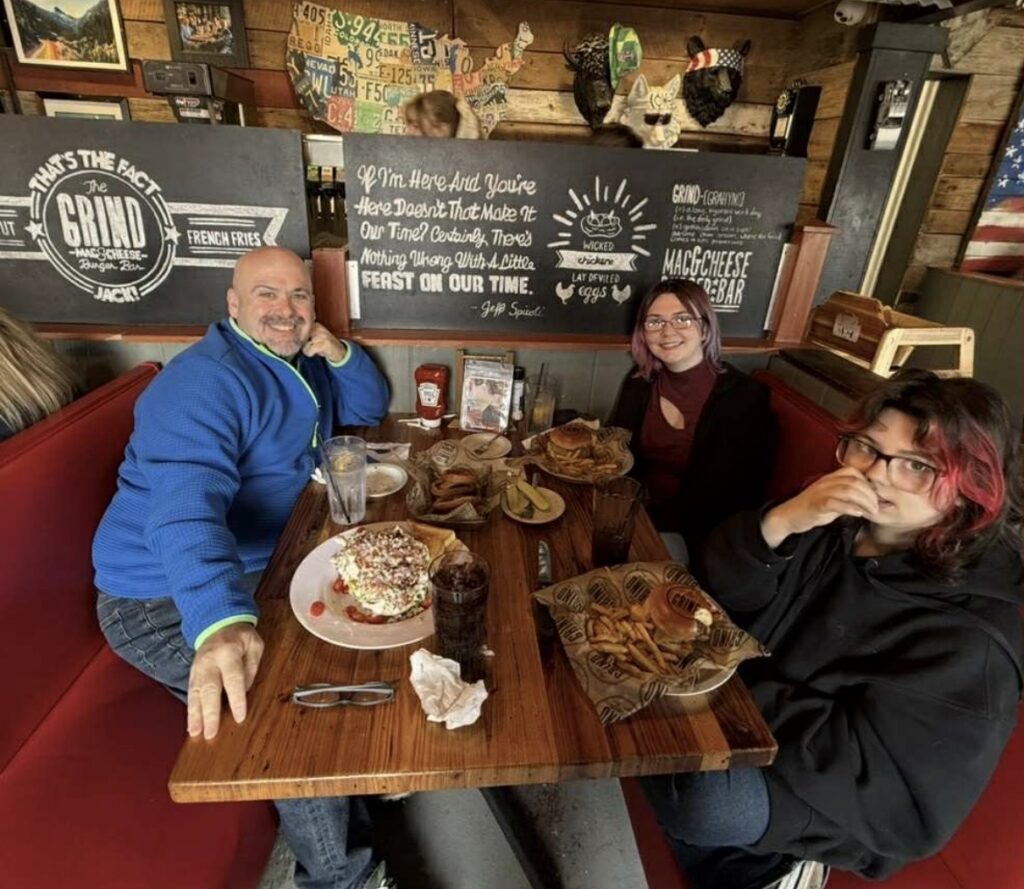
Chris is involved in the lives of his eight nieces and nephews, taking his role as an uncle seriously. He provided some advice on how you can set a good example to the kiddos in your life.
“As a father or uncle, (kids) are going to pick up traits,” he said. He gave an example: how you act when you’re driving. If you show aggression by yelling and cussing, kids will notice and even pick up on that. Children are sponges, and they’ll see what your values are, both good and bad.
What comes around goes around
Do you have a little voice in your head urging you to do the right thing? Most people would say so. Our conscience, a being of higher power or something else entirely are popular theories. Is there a reason we should do the right thing? Chris suggested that Karma and the Golden Rule play a major role in many people’s lives: What goes around comes around.
“Treat people the way you want to be treated,” Chris said. “Don’t expect stuff back and try to give positive energy out that you think you should be receiving.”
Chris says it’s important that you, as a role model to young people, demonstrate those positive character traits, because “you never know when you’re going to need help.”
Final Words
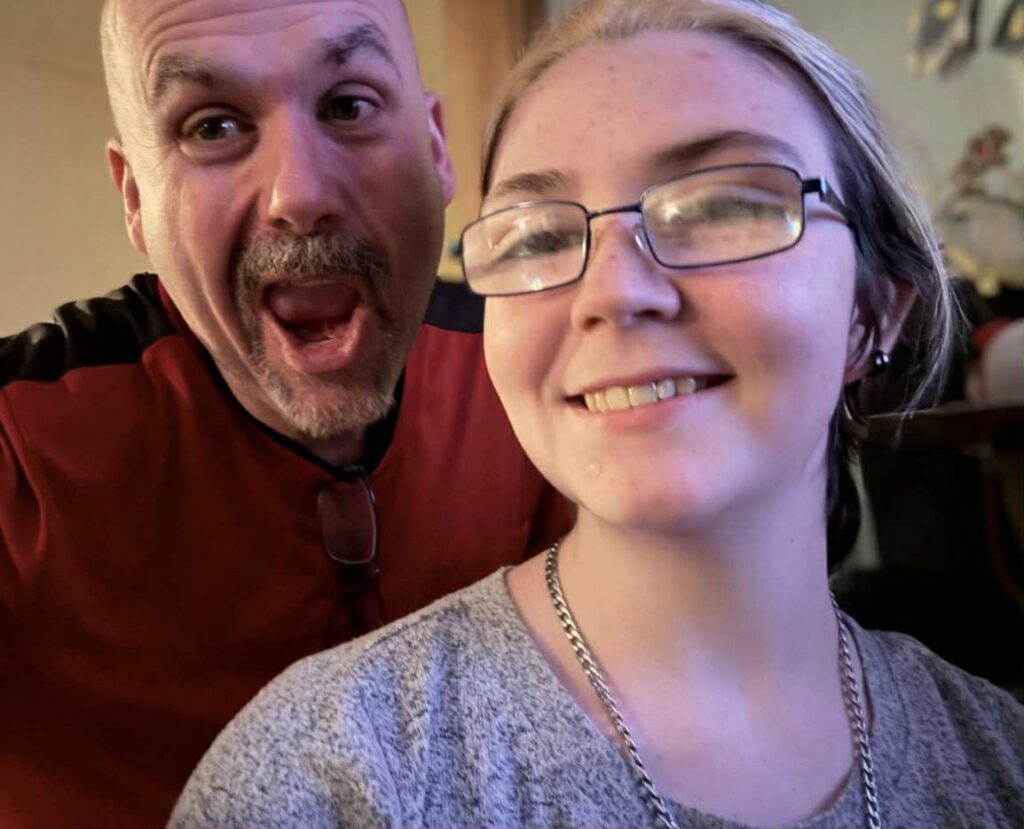
You can use a physical map or GPS to navigate the open road, but remember to use your principles, your own personal navigation tool, to guide yourself through life. Look to others, and train up the next generation in doing the right thing. Chris has several principles he thinks others should follow as well.
“Be honest with people, be accountable for what you’re doing,” Chris said. “Treat people with kindness and respect, have a good work ethic, and be a good role model.”